

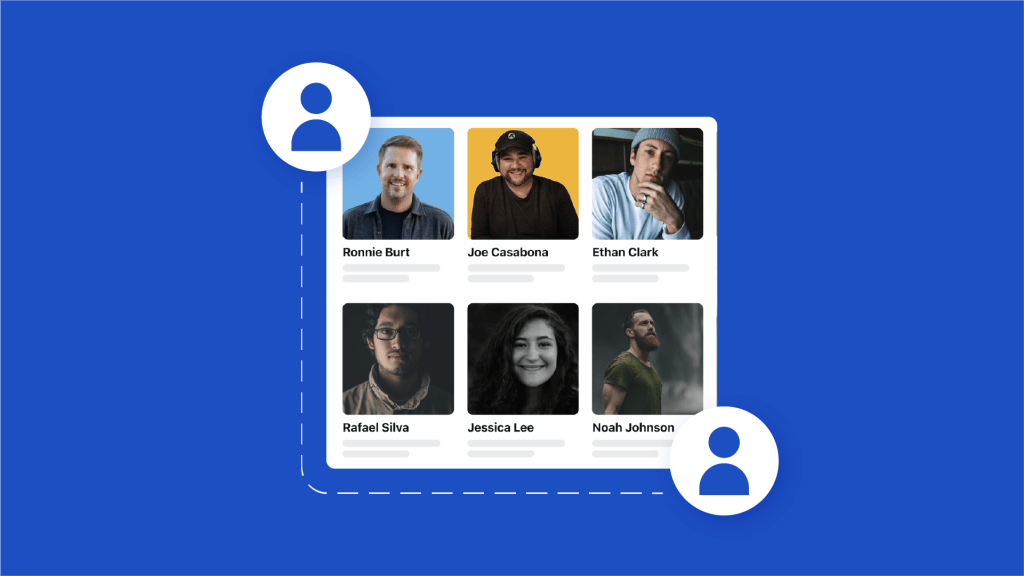
Building an online community takes dedication, skill, and strategic thinking – but the rewards make it worth every bit of effort. A thriving community can transform your business, whether it’s your main focus or supplements your existing offerings.
Starting a community might seem deceptively simple. After all, people naturally want to connect with others who share their interests. And social media makes it easier than ever to gather people in one place.
But creating a community that genuinely serves its members while meeting your goals? That’s a different challenge entirely. Most communities struggle with low engagement, unclear purpose, or lack of sustainable growth.
This guide breaks down advanced strategies for building a community that lasts. You’ll learn practical approaches to choosing the right platform, creating engaging experiences, and fostering meaningful connections among members. Each section includes specific tactics you can implement right away, backed by examples from successful communities.
Define your reason for creating an online community
Starting an online community requires significant time and resources. Before diving in, you need a clear purpose that guides every decision you make.
The most successful communities serve specific, well-defined goals. A vague aim like “connecting people” won’t provide enough direction. Instead, focus on concrete objectives such as:
- Supporting customers through peer-to-peer problem solving.
- Building brand loyalty through exclusive experiences and early access.
- Creating collaborative learning spaces where members share expertise.
- Gathering feedback to improve products or services.
- Providing specialized networking opportunities in niche fields.
Your community’s purpose shapes everything from platform choice to content strategy. An educational community focused on live workshops needs different tools than a support community built around troubleshooting forums.
Ask yourself: Will this community be central to your business model or support existing offerings? A course creator might build their entire business around a learning community, while a retailer might use community spaces to enhance customer experience through product discussions and reviews.
The clearer your purpose, the easier it becomes to make decisions that serve both your members and your goals.
Define your ideal persona and why community is important for them
Success in community building starts with deeply understanding who your members are and what draws them to connect with others. Going beyond basic demographics reveals what truly motivates participation.
Take these specific examples:
- Remote tech workers seeking professional growth might join to share career advice, discuss industry trends, and build relationships outside their immediate team.
- Home bakers learning artisan bread techniques want to troubleshoot recipes, showcase their creations, and find motivation from fellow enthusiasts.
- Independent artists could gather to share business tips, critique works in progress, and find potential collaborators.
Each group has distinct needs that shape how they’ll engage. Remote workers might value structured networking events and skill-sharing sessions, while bakers might prefer photo-rich discussions and live-streaming demonstrations. Artists might engage most with portfolio showcases and project collaboration tools.
Study where your ideal members currently gather online. What frustrates them about existing spaces? What makes them stick around? Use these insights to craft experiences that solve real pain points.
And remember – your community will attract different types of participants. Some will actively create content, others will moderate discussions, while many will simply absorb information. Design your space to support all these interaction styles.
Selecting the right format and channels for your online community
Your community’s format directly impacts how members interact and engage. Each option offers distinct advantages for different community goals:
- Forums excel at organizing in-depth discussions by topic, making it easy for members to find relevant conversations and contribute meaningfully. They’re particularly effective for technical support or knowledge-sharing communities.
- Live events build excitement and real-time connection. Whether through video workshops, AMAs, or virtual meetups, synchronous gatherings create shared experiences that strengthen community bonds.
- Comment sections work well for focused discussions around specific content pieces. They’re ideal for communities built around blogs, courses, or media content where context matters.
- Activity feeds keep members updated on community happenings, highlighting recent discussions, achievements, and contributions. They help maintain engagement between deeper interactions.
WordPress offers the flexibility to mix these formats without platform restrictions. Unlike social media networks, you control the experience and aren’t subject to algorithmic changes or paid reach limitations. It also gives you an opportunity to create an engaging community platform with customized profile pages and personalized recommendations based on user data.
Whatever the format is, we recommend starting with free channels to build your initial audience. For example, many fitness channels offer free training videos on YouTube and then a paid membership option for subscribers who want to join specific programs. Similarly, the Good Mythical Morning YouTube channel nurtures viewers before inviting them to join their premium Mythical Society community. This approach lets you demonstrate value and build trust before asking for a deeper commitment.

Creating member profiles for your community
Member profiles form the foundation of community identity and connection. Gravatar helps website owners with this crucial element by linking profiles to email addresses, enabling consistent identity across platforms with minimal setup time.
The “Update Once, Sync Everywhere” feature saves valuable time for both administrators and members. Instead of creating new profiles for each community space, Gravatar allows all integrated platforms to pull in and auto-populate profile data.
Two powerful APIs make implementation straightforward:
- The Avatar API pulls member photos and basic details
- The Profile API imports comprehensive profile information
This automation speeds up the user onboarding significantly. New members arrive with pre-filled profiles, reducing friction and increasing the likelihood they’ll engage right away. Familiar avatars across different sections of your community help members recognize each other easily, strengthening relationships.
✨If you’re looking for some inspiration on how to build beautiful profile pages, check out our article on user profile page examples.
Privacy remains in members’ control. They choose what information to share and can maintain multiple identities for different community roles – perfect for separating member and moderator profiles.

Creating community guidelines and moderation strategies
Smart moderation strategies keep communities healthy while encouraging authentic interaction. Advanced approaches include:
- AI-powered content filtering to catch obvious violations automatically.
- Multi-tier moderation systems where trusted members help maintain community standards.
- Living guidelines that adapt based on community feedback and real situations.
Gravatar’s universal profiles enhance these efforts by:
- Using verified email addresses to reduce fake accounts and spam.
- Building trust scores based on member history across platforms.
- Speeding up issue resolution through integrated reporting systems.
Balance strict rules with community self-regulation. The Stack Exchange network demonstrates this well: Experienced members gain moderation privileges through consistent positive contributions, creating a sustainable system where the community largely moderates itself.
Clear consequences for guideline violations matter, but focus more on rewarding positive behavior. Highlight exemplary members, celebrate constructive contributions, and create paths for members to earn additional privileges through helpful participation.
Strategies for launching and growing your community
A successful community launch builds momentum that drives sustained growth. Smart tactics maximize early engagement and set the right foundations.
Reward early adopters with exclusive perks like special “founding member” badges displayed on profiles. Besides the badges, members with this level could also have direct access to community leadership, the right to give input on future features and direction, and even early access to new content or features.
However, you should nurture all members, not just the early adopters. Create achievement systems that encourage meaningful participation:
- Recognition for quality contributions.
- Special roles for consistent, helpful answers.
- Progress tracking tied to learning goals.
- Visible milestones on member profiles.
You can measure how successful your efforts are by measuring engagement metrics – number of comments, new members, etc. However, it’s best to go beyond the basics and track indicators that show real community health:
- Ratio of new discussions to responses.
- Time between member questions and first answers.
- Number of connections made between members.
- Quality and depth of conversations.
Finally, think of different ways you can scale engagement through time. Partner with micro-influencers who genuinely connect with your community’s purpose – their authentic enthusiasm will attract members who share your values.
As your community grows, personalize the experience based on member behavior and interests. Use Gravatar profile data to:
- Customize onboarding paths.
- Suggest relevant discussions.
- Connect members with shared interests.
- Highlight content matching expertise levels.
Keep in mind that small, active communities often provide more value than large, disengaged ones. Focus on fostering quality interactions rather than chasing member numbers.
Fostering engagement and participation in your online community
Engaged communities don’t happen by accident. They need thoughtful content, smart incentives, and active leadership. This section explores advanced strategies that go beyond basic engagement tactics, helping you create an environment where meaningful interaction happens naturally.
Creating compelling community content and discussions
Strong content sparks conversations that keep members coming back. Focus on creating material that taps into your community’s specific interests and motivations:
- Frame discussion topics as practical problems to solve rather than digital queries.
- Share behind-the-scenes insights that make members feel like insiders.
- Create content series that build anticipation and regular participation.
- Use polls and surveys to gather opinions on controversial industry topics.
Mix content formats to suit different learning and interaction styles:
- Short-form videos for quick tips and demonstrations.
- Long-form articles for deep dives into complex topics.
- Audio content for on-the-go consumption.
- Interactive workshops for hands-on learning.
Encourage member-generated content by:
- Featuring expert members in community spotlights.
- Running themed challenges that showcase member work.
- Creating dedicated spaces for member success stories.
- Setting up peer mentoring programs.
Implementing gamification and rewards for active members
Gamification transforms passive members into active participants when implemented thoughtfully. The Duolingo language learning community demonstrates this perfectly – their streak system and XP leaderboards turn daily practice into an engaging challenge.

Achievement paths should reflect genuine community values. A tech support community might award “Problem Solver” status to members who consistently provide validated solutions. These members then receive special privileges, like the ability to mark answers as official solutions or mentor newcomers.
Collaborative challenges build stronger connections between members. Take Strava’s monthly distance challenges – they motivate individual achievement while fostering a sense of shared accomplishment. Your community might organize team projects that combine different skill sets, such as writers partnering with designers to create resources for the community.

The most effective rewards provide real value. This could mean exclusive access to industry experts, featured spots in community content, or early access to new features. One gaming community successfully uses a point system where active members earn credits toward premium content and merchandise.
Track achievements through Gravatar profiles to make recognition visible and persistent. Members can showcase their expertise badges, contribution streaks, and impact metrics across all community spaces, building consistent reputation and authority.
Staying involved and active as a community leader
Leadership visibility builds trust and encourages participation. Make your presence felt through:
- Regular “state of the community” updates.
- Direct responses to member concerns.
- Personal stories that demonstrate vulnerability.
- Clear communication about community decisions.
Balance hands-on involvement with empowering others. Train moderators to handle day-to-day management, spotlight emerging community leaders and create opportunities for members to take ownership of initiatives.
Remember that your consistent presence shows members their participation matters.
Scaling and building your community
Growth presents both opportunities and challenges for community builders. A strategic approach helps maintain quality while expanding reach.
- Start with a detailed roadmap that outlines growth phases. Map specific initiatives to member count milestones – what works for 100 members likely won’t serve 10,000. Include plans for things like expanding moderator teams, adding new content formats, introducing advanced features, and upgrading the technical infrastructure of your platform to accommodate increased traffic.
- Make data-driven decisions by tracking meaningful metrics:
- Member retention rates across different joining cohorts.
- Response times for member questions.
- Active participation percentages.
- Content engagement patterns.
- Gather and act on member feedback systematically. Monthly surveys, feedback threads, and one-on-one conversations with active members reveal pain points before they become major issues.
- Maintain community culture through growth spurts. The Reddit community r/AskHistorians demonstrates this well – they’ve scaled to over a million members while maintaining strict quality standards for historical discussion.
- Be cautious about growing too quickly. Rapid member influx can overwhelm moderation systems and dilute community culture. Focus on attracting members who align with your community’s core values rather than chasing pure numbers.
And remember: bigger isn’t always better. A focused community of 500 engaged members often provides more value than one with 50,000 lurkers. A great example of this is Jay Clouse’s highest-tier community, which has a cap of 200 members. He knows that exclusivity is one of the most important perks, and having fewer subscribers allows him to pay more attention and provide those people with unique benefits.
How to monetize your community strategically
Smart monetization enhances member value while creating sustainable revenue. The trick lies in aligning monetary goals with community benefits. Here’s what you can do:
- Paid memberships: Premium memberships work well when they unlock genuine value. Sara Beth Yoga, for example, offers basic classes through her YouTube channel while reserving expert-led workshops and specialized support groups for paying members. Members gladly pay because the premium features directly serve their goals.
- Sponsored content: Brand partnerships succeed through authentic alignment. A photography community might partner with camera manufacturers for exclusive tutorials or early product access. Both the brand and community benefit, while members gain valuable insights.
- Virtual events: These can include workshops taught by community experts, industry conferences featuring member speakers, mastermind groups for specific topics, and behind-the-scenes tours or demonstrations.
- Digital products: If members frequently ask similar questions, package those answers into comprehensive guides or courses. Let community input shape product development to ensure relevance.
- Affiliate marketing: Sign up for affiliate programs to earn commissions on products you’ve personally tried and you believe your audience will find useful or interesting.
Always maintain transparency about monetization. Explain how revenue supports community growth and improvement. Many successful communities, like DEV.to, openly discuss their business model and gather member input on monetization decisions.
Start small – test ideas with core members before full rollout. Their feedback helps refine offerings that truly serve the community.
Scaling your thriving community: Gravatar’s role in sustainable expansion
Building a thriving online community requires careful planning, consistent effort, and the right tools. Each element covered in this guide is vital in creating spaces where people genuinely want to connect and contribute.
Gravatar’s profiles-as-service system removes major technical hurdles from community growth. This frees you to focus on what matters most – fostering meaningful connections between members.
The platform supports sustainable expansion through several key features:
- Streamlined registration eliminates common friction points. New members arrive with pre-populated profiles, making them more likely to engage immediately. No more abandoned signups due to lengthy forms.
- Multi-platform identity management helps members maintain consistent presence across community spaces. A member’s contributions in your forums, comments, and events all link back to their unified profile on GitHub, Slack, and other integrated platforms.
- Rich profiles enable deeper connections. Members can showcase relevant expertise, interests, and achievements. This makes it easier for them to find like-minded peers and contribute meaningfully to discussions.
- Privacy controls give members confidence in participation. They can manage multiple identities and control exactly what information appears in different community contexts. This flexibility encourages authentic engagement.
- Developer-friendly integration speeds implementation through well-documented APIs and SDKs. You can focus on building unique community features instead of recreating basic profile functionality.
Ready to start building your community? Explore how Gravatar can help lay the foundation for sustainable growth while creating engaging member experiences.
 Gravatar Blog
You must be logged in to post a comment.